The province of North Holland is a dazzling example of vibrant settlement history: more than half of the peninsular between Ijsselmeer and the North Sea consists of drained polders. The town of Purmerend is located on the headland, north of Amsterdam, and is home to almost 100,000 inhabitants. It is also home to the Lusthof residential complex, situated right next to the Great North Holland Canal. The complex comprises a block of several houses and a shared residents’ car park, which connects the individual buildings at ground level. The buildings themselves are modern with a charming architectural style. Dutch clinkers in a variety of colours from red to yellow to green adorn the individual façades, with contrasting dash and stripe motifs also integrated into the construction. One of the buildings, positioned centrally within the housing block, is rendered in grey to give an older, industrial feel.
Stylish and sustainable
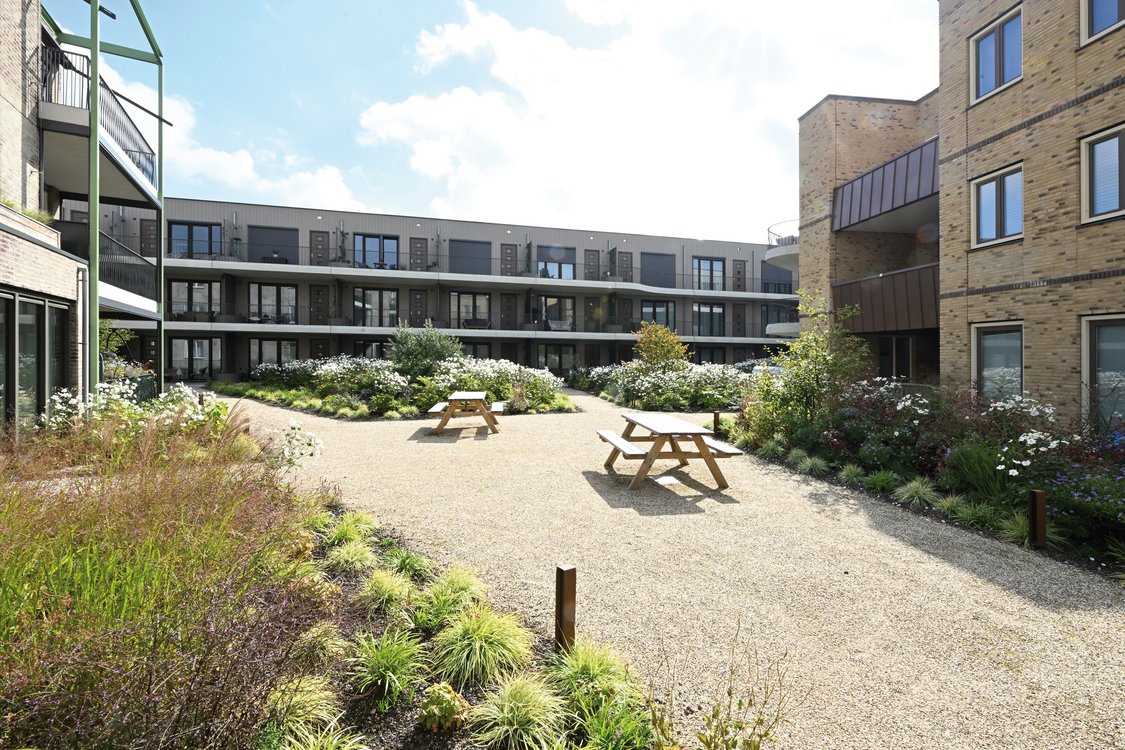
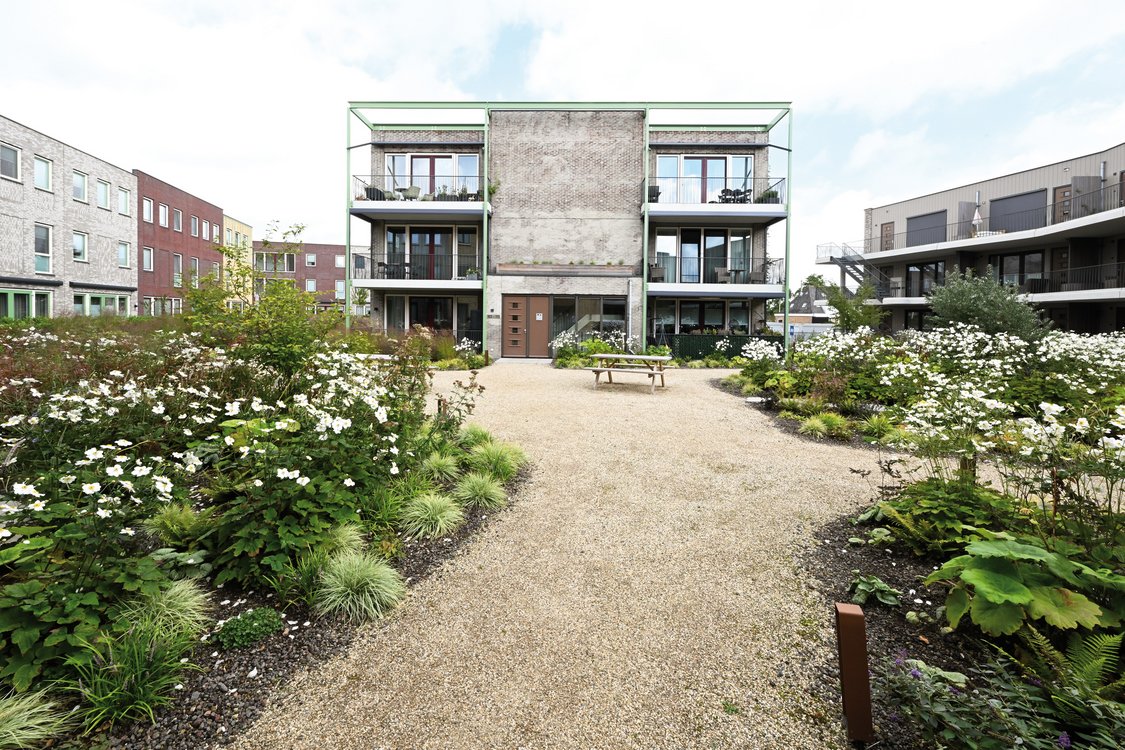
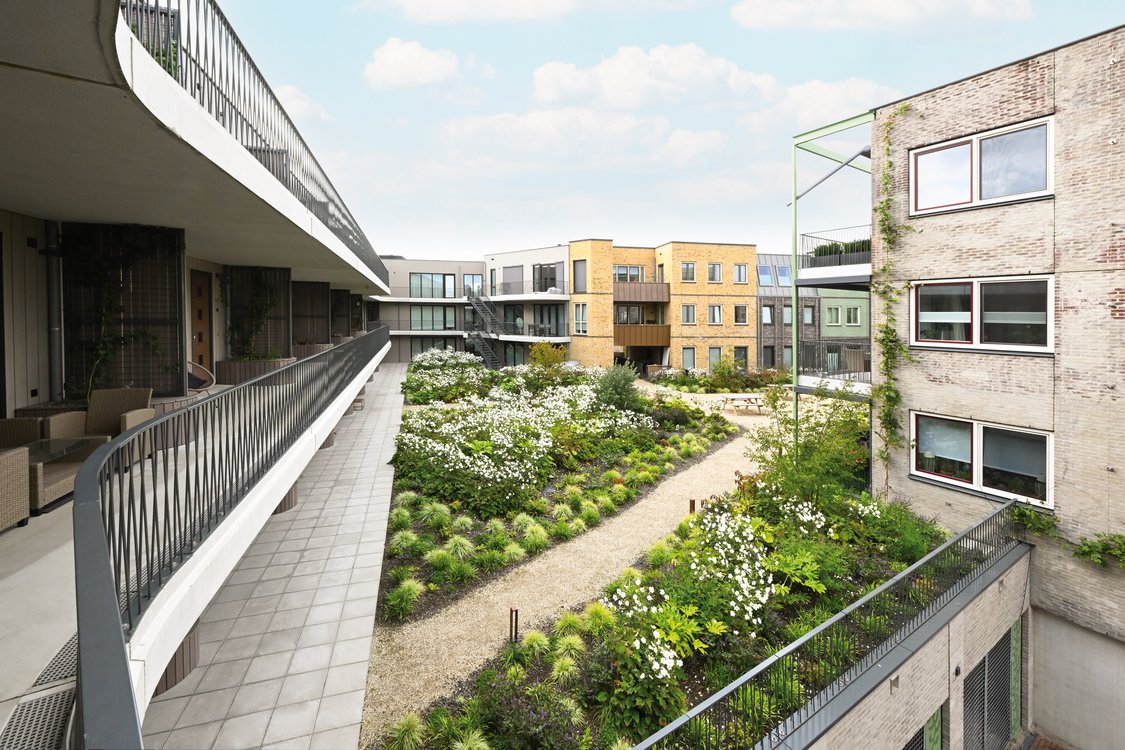
The courtyard built into this fascinating ensemble was also to fit in coherently with the overall design, as per the vision of Amsterdam-based client “Lusthof Purmerend BV”, which commissioned the space to be transformed into an open garden in 2023. The landscape architecture office tasked with the project, also based in Amsterdam, designed a welcoming oasis where visitors can enjoy a sense of calm and a change of scenery in the middle of the housing complex. This is achieved through the varied use of green spaces, with raised beds outside the Lusthof complex showcasing a rich array of blossoms that enhance local recreational value and bring seasonal variety to the townscape. The residential complex’s generously planted, publicly accessible inner courtyard is accessed by first climbing the steps up to the roof of the car park, which is framed by the various residential buildings. Newly developed during the course of 2024, the courtyard now features a 1,800m2 park landscape that can be enjoyed by visitors and residents alike.
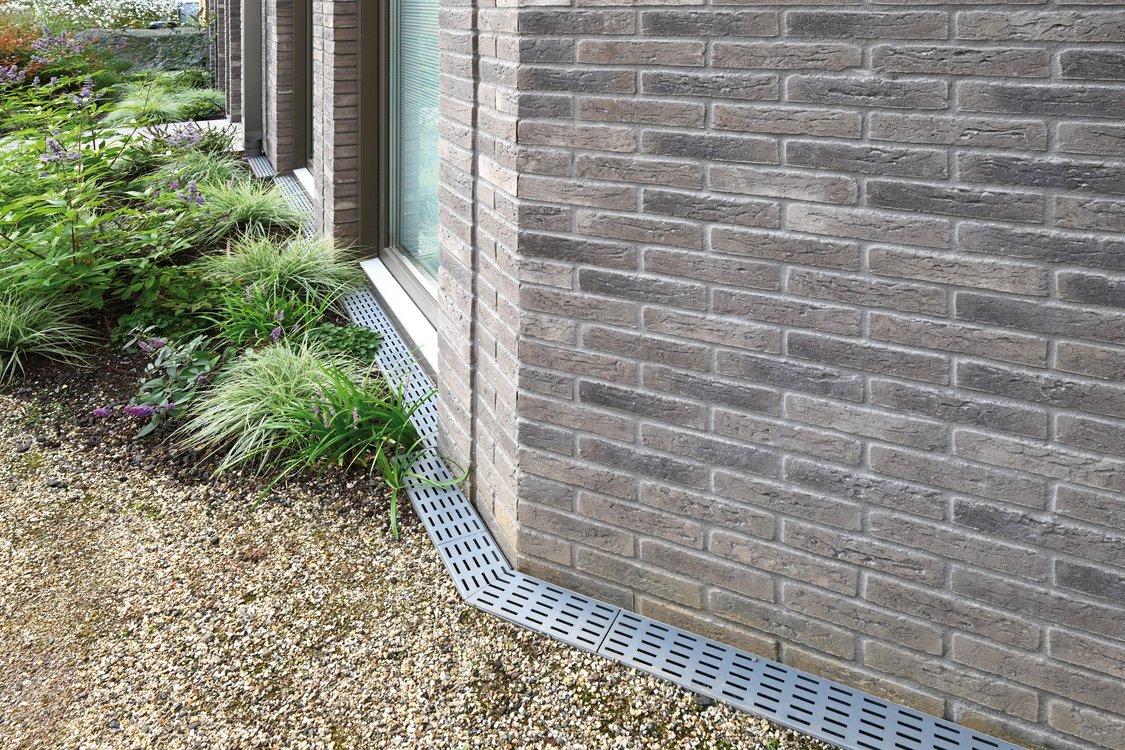
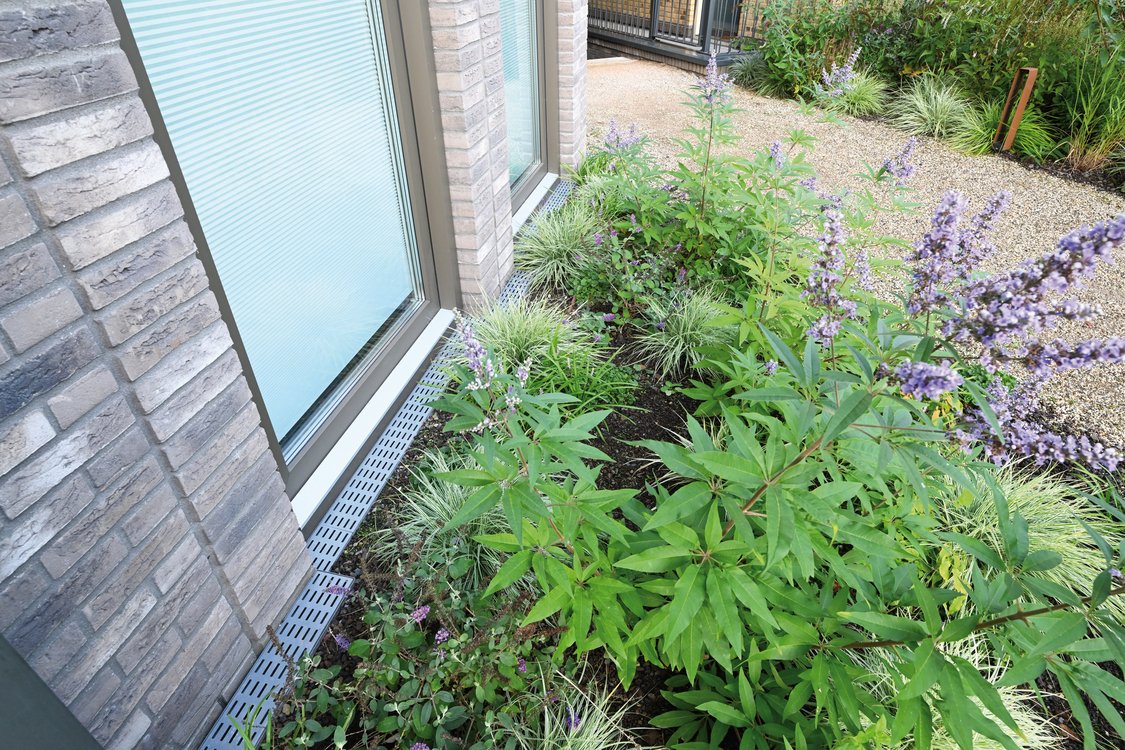
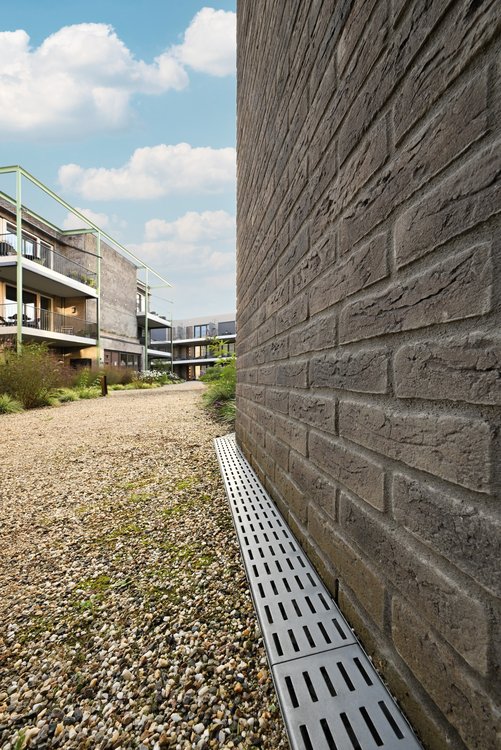
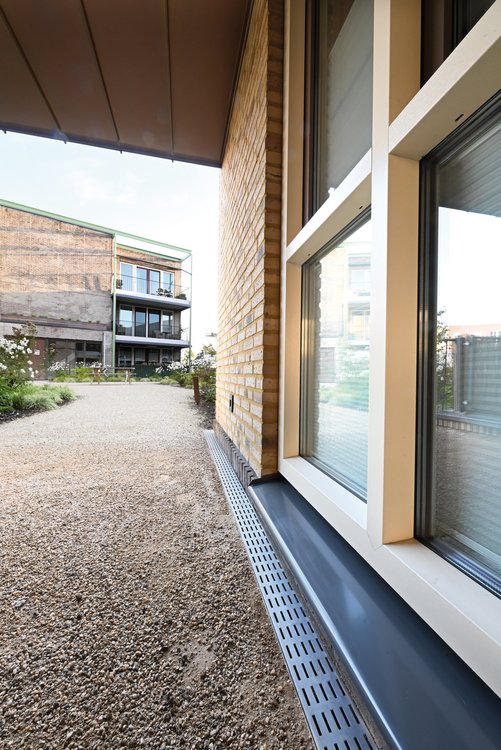
The space is traversed by paths made from Padvast, a gravel surface bound by clay, which lead to the paved areas in front of the building entrances. Made up of bushes, shrubs and trees, the planting is designed to transcend the seasons. Picnic tables in the centre of the inner courtyard give visitors a space to sit down and take in the large-scale flowerbeds all around them. Also the lights, which take the form of approx. 0.5m-high corten steel posts, are discreetly dotted around the entire area so as not to take away from the aesthetics of the planting. Barneveld-based company Wencop Hoveniers was responsible for the garden’s execution. The landscape gardening experts also installed an irrigation and dewatering system, which includes a 3km-long drip line to water the vegetation. Stabile drainage channels from the company Richard Brink were used to direct precipitation water from the façades into the adjacent flowerbeds as quickly as possible.
Strong partners for strong projects
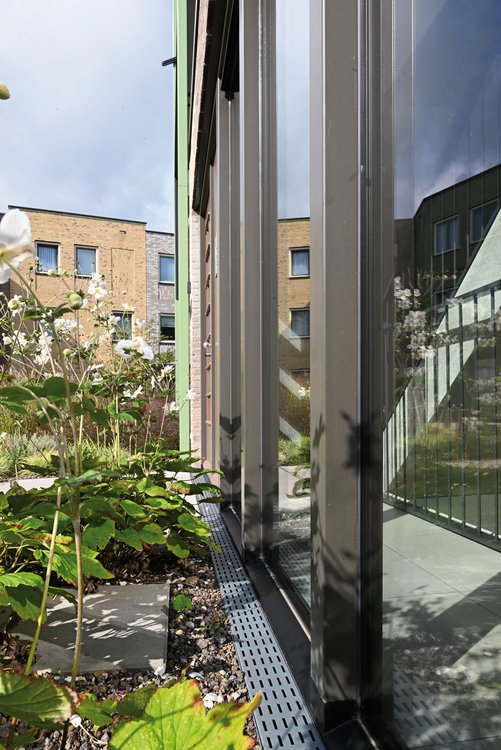
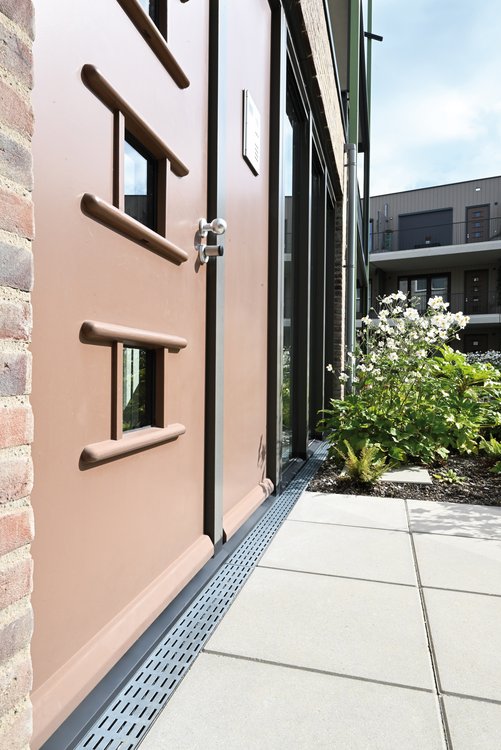
Around 200m of the 80mm-high channels with an inlet width of 100mm are distributed throughout the outdoor space. The grating covers with their rectangular perforations are used primarily to adorn the façades, including the door and reveal areas. Here, the hot-dip galvanised steel channels are installed not in a continuous line but rather offset to trace the projections of the exterior wall and underscore its distinctive design.
Reinier van der Beek from Wencop Hoveniers explains the choice of channel as follows: “We have been thoroughly satisfied with the products and advice provided by the company Richard Brink for years. When we saw that this project was in need of façade channels with an attractive price-performance ratio and quick availability, the decision was simple. The channels are easy to install and, thanks to the perforated gratings, both aesthetically pleasing and perfectly suited to the underlying concept.” Managing Director Bas Janssen from the client Lusthof Purmerend BV is also extremely satisfied: “Alongside the increased ecological value, residents can now enjoy a whole new quality of living. We would like to thank everyone involved for the successful implementation.”
(approx. 4,940 characters)